
In a world where technology continuously reshapes our experiences, virtual reality (VR) stands out as one of the most transformative innovations of our time. Envisioned in cyberpunk narratives as a space of escape and exploration, VR presents an exciting frontier for artistic expression while raising crucial ethical questions about its impact on society. By examining the artistic possibilities of VR alongside its implications in a cyberpunk context, we can better understand the complexities of our digital future.
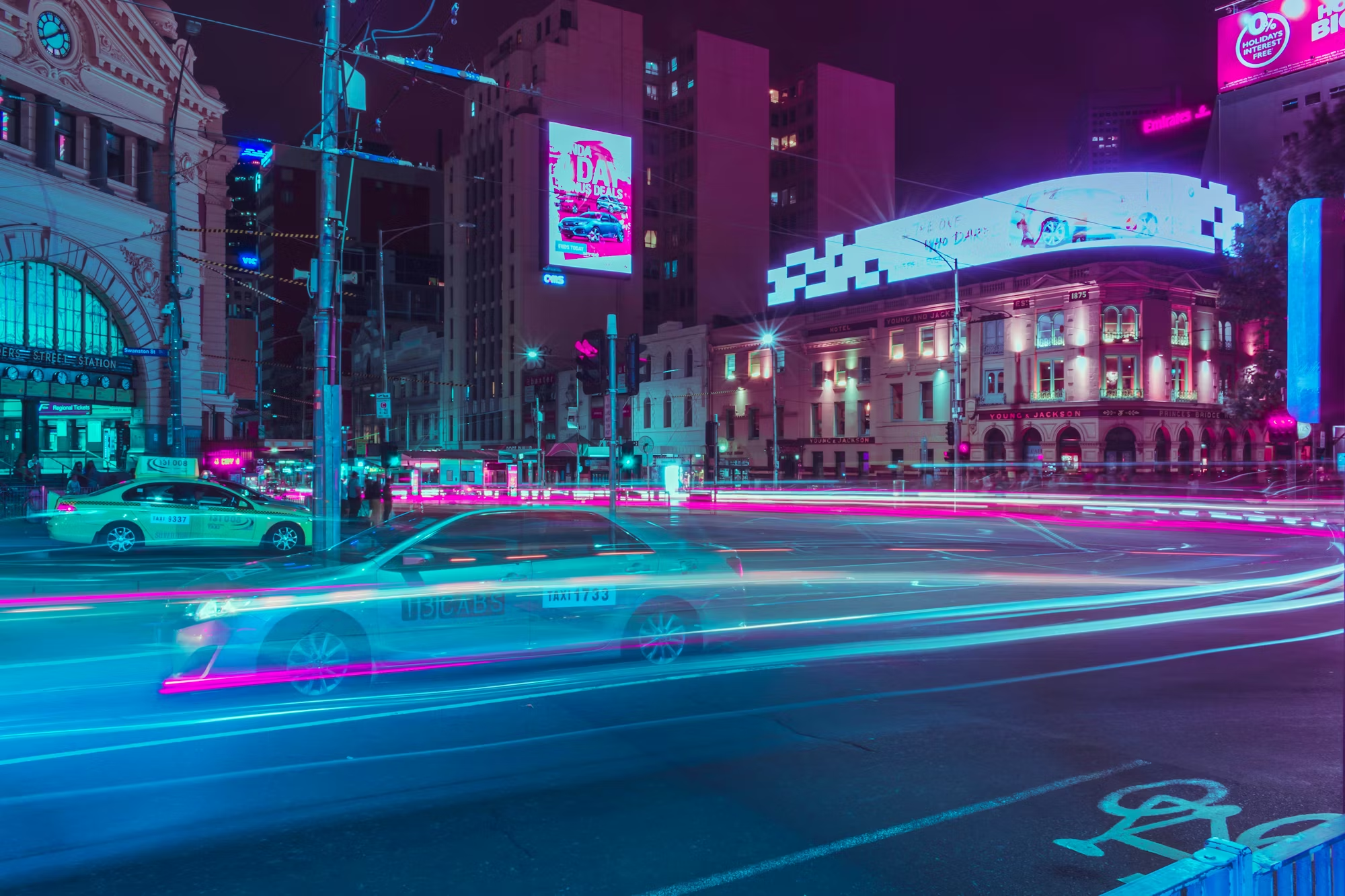
Cyberpunk aesthetics often depict a blend of reality and the virtual, where neon lights illuminate rain-soaked streets, and digital realms provide a contrast to the gritty urban landscapes. This juxtaposition reflects our current reality, where virtual spaces increasingly influence how we perceive the world. As artists and creators harness the power of VR, they are able to craft immersive experiences that blur the line between the digital and the physical, inviting users to step into entirely new worlds.
The artistic potential of VR is immense. From interactive installations to narrative-driven experiences, creators are pushing the boundaries of traditional art forms. VR allows artists to engage audiences in ways that were previously unimaginable, creating a sense of presence and participation that transforms the viewer’s role from passive observer to active participant. This shift not only enhances the emotional impact of the artwork but also fosters a deeper connection between the audience and the creator.
In cyberpunk narratives, VR often serves as a double-edged sword. While it offers an escape from the harsh realities of life, it also raises concerns about addiction and detachment from the real world. As individuals immerse themselves in digital landscapes, the potential for disconnection from their surroundings grows. This tension mirrors our contemporary experiences, where the allure of virtual environments can sometimes overshadow the importance of engaging with our physical reality.
As VR technology becomes more accessible, it is essential to consider its implications for mental health and social interactions. The immersive nature of VR can provide solace for individuals seeking respite from daily stressors; however, it can also lead to a sense of isolation. The challenge lies in finding a balance between the benefits of virtual experiences and the need for authentic human connections. In a cyberpunk context, this struggle is particularly poignant, as characters often grapple with the consequences of their reliance on technology for emotional fulfillment.
Moreover, the ethics of VR in the realm of art and entertainment demand careful consideration. As creators design experiences that captivate and engage, questions arise about consent, representation, and the impact of immersive storytelling. The power of VR to evoke strong emotions can also be wielded irresponsibly. For instance, experiences that manipulate feelings or exploit vulnerabilities may contribute to harmful societal norms. This raises the need for creators to approach their work with a sense of responsibility, considering the potential ramifications of their creations.
In addition, the accessibility of VR technology poses challenges regarding inclusivity. As artists create experiences meant to be universally engaging, they must also consider the diverse backgrounds and abilities of their audience. The risk of alienating certain groups must be mitigated by designing experiences that are welcoming and accessible to all. This reflects the broader theme in cyberpunk narratives, where marginalized voices often struggle to find representation within a technologically dominated society.
The use of VR as a tool for social change and awareness is another exciting dimension within this field. Artists can leverage the immersive power of virtual reality to address pressing social issues, creating experiences that provoke thought and inspire action. By engaging audiences with critical topics through experiential storytelling, creators can foster empathy and understanding, encouraging viewers to reconsider their perspectives. This aligns with the themes of rebellion and resistance commonly found in cyberpunk narratives, where characters challenge the status quo and advocate for change.
The concept of identity in VR also echoes themes prevalent in cyberpunk culture. In virtual spaces, users can adopt various personas, creating alternate identities that allow for self-exploration and expression. This can be empowering, providing individuals the freedom to explore aspects of themselves they may not feel comfortable expressing in the physical world. However, it also raises questions about authenticity and the potential for escapism to become a barrier to genuine self-discovery.
As individuals navigate their digital identities, the line between self-expression and self-creation blurs. The anonymity offered by virtual environments can be liberating, but it can also lead to disconnection from one’s true self. This dynamic reflects the struggles of cyberpunk characters who grapple with their identities in a world dominated by technology and societal expectations.
Furthermore, the intersection of VR and artificial intelligence presents intriguing possibilities and challenges. AI algorithms can personalize VR experiences, tailoring them to individual preferences and enhancing user engagement. However, this raises concerns about data privacy and the implications of algorithms shaping our interactions and choices. As users become increasingly reliant on technology to curate their experiences, it is essential to consider the potential consequences of surrendering agency to AI systems.
The ethical considerations surrounding data usage in VR environments are crucial. As creators collect data to improve experiences, they must navigate the delicate balance between personalization and privacy. Transparency in data collection practices is vital to maintain user trust and ensure that individuals feel safe engaging in virtual spaces. This is especially relevant in a cyberpunk context, where themes of surveillance and corporate control often dominate the narrative.
In conclusion, the exploration of virtual reality through a cyberpunk lens reveals both the artistic potential and ethical implications of this transformative technology. As creators push the boundaries of artistic expression, they must remain cognizant of their responsibilities to their audience and society. By fostering inclusivity, encouraging authentic connections, and addressing the ethical considerations of VR, we can harness the power of technology to inspire and uplift. As we embrace the neon-lit worlds of virtual reality, it is essential to remember the lessons of cyberpunk narratives, ensuring that our journey into the digital realm enriches our lives rather than diminishes our humanity. By doing so, we can shape a future where technology serves as a bridge to understanding and connection, rather than a barrier to our shared experiences.